

When a phone stops charging properly, most people assume there’s only one solution—replace the charging port. But that assumption often leads to unnecessary costs, longer repair times, and avoidable risks. In reality, many charging issues can be resolved with precise Charging repair, without replacing the port at all.
For smartphone users in Vancouver island, understanding the difference between charging port repair and full replacement can save both time and money. This guide breaks down when Charging repair is enough, when replacement is unavoidable, and how professionals decide the right approach for your phone.
Why Charging Issues Are Often Misdiagnosed
Charging problems usually develop gradually. A phone may charge slowly at first, then only at certain angles, and eventually stop charging altogether. By the time users seek help, the issue feels severe—leading many to believe replacement is the only option.
However, charging ports are complex micro-components. A problem may involve:
-
Dirt or debris blocking contact
-
Slightly misaligned internal pins
-
Early-stage corrosion
-
Unstable connector seating
In such cases, professional Charging repair can restore normal charging without replacing the entire port.
Understanding Charging Port Repair
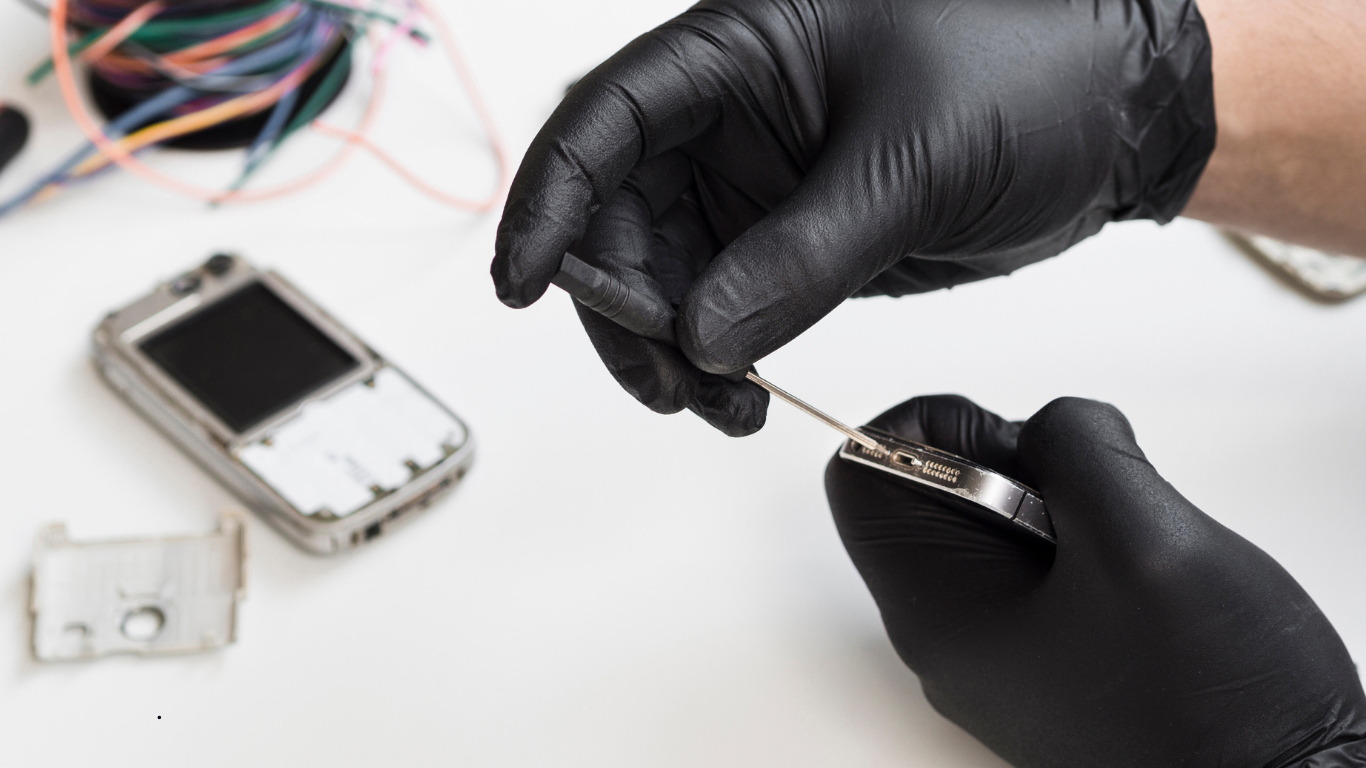
Charging port repair focuses on restoring the existing port, not removing it. The goal is to fix what’s wrong at a micro level while preserving original components.
What Charging Repair Involves
-
Precision internal cleaning
-
Realignment of loose or bent pins
-
Stabilizing connectors
-
Removing minor corrosion
-
Testing power flow stability
This approach is faster, safer, and usually more affordable than replacement.
When Charging Repair Is the Best Option
Charging repair is usually enough when:
-
The phone charges only at certain angles
-
Charging is slow but still functional
-
The port feels loose but isn’t broken
-
There is dust or lint buildup
-
Corrosion is minimal and localized
In these cases, replacing the port would be unnecessary and excessive.
What Charging Port Replacement Actually Means
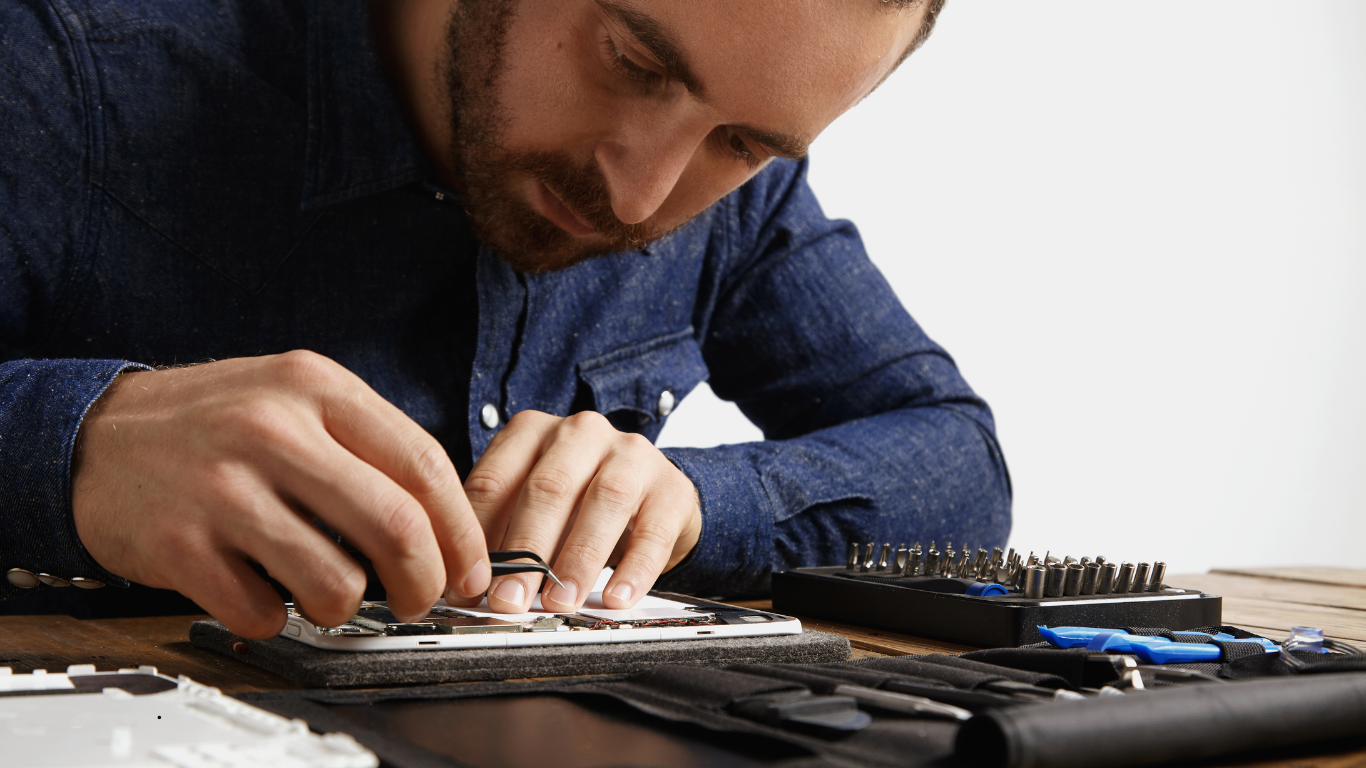
Charging port replacement involves removing the original port and installing a new one. This process is more invasive and carries greater risk if not done carefully.
What Replacement Involves
-
Disassembling the phone
-
Removing the old charging port (often soldered)
-
Installing a new port
-
Reconnecting internal circuits
-
Extensive testing
Because charging ports are connected to delicate motherboard pathways, replacement must be done by experienced technicians.
When Replacement Is Truly Necessary
Replacement is usually required when:
-
Charging pins are broken or missing
-
The port is burnt due to electrical damage
-
Severe corrosion has destroyed connectors
-
The port structure is physically cracked
-
Previous repair attempts caused damage
In these situations, Charging repair alone cannot restore functionality.
Charging Repair vs Replacement: Key Differences
| Aspect | Charging Repair | Charging Port Replacement |
|---|---|---|
| Approach | Fix existing port | Install new port |
| Cost | Lower | Higher |
| Time | Faster | Longer |
| Risk | Minimal | Higher if done incorrectly |
| Original Parts | Preserved | Replaced |
| Best For | Minor to moderate issues | Severe damage |
Choosing the wrong option can increase costs and risks unnecessarily.
How Professionals Decide Between Repair or Replacement
A trained technician never guesses. The decision between Charging repair and replacement is based on diagnostics.
Step 1: Visual & Microscopic Inspection
-
Condition of charging pins
-
Signs of corrosion or burning
-
Structural stability of the port
Step 2: Power Flow Testing
-
Voltage stability
-
Current flow consistency
-
Charging response under load
Unstable power often indicates repairable connector issues rather than full failure.
Step 3: Internal Circuit Assessment
-
Checking nearby motherboard components
-
Ensuring no power IC damage
-
Confirming charging pathways are intact
Only after this analysis is the correct solution chosen.
Risks of Choosing Replacement Too Early
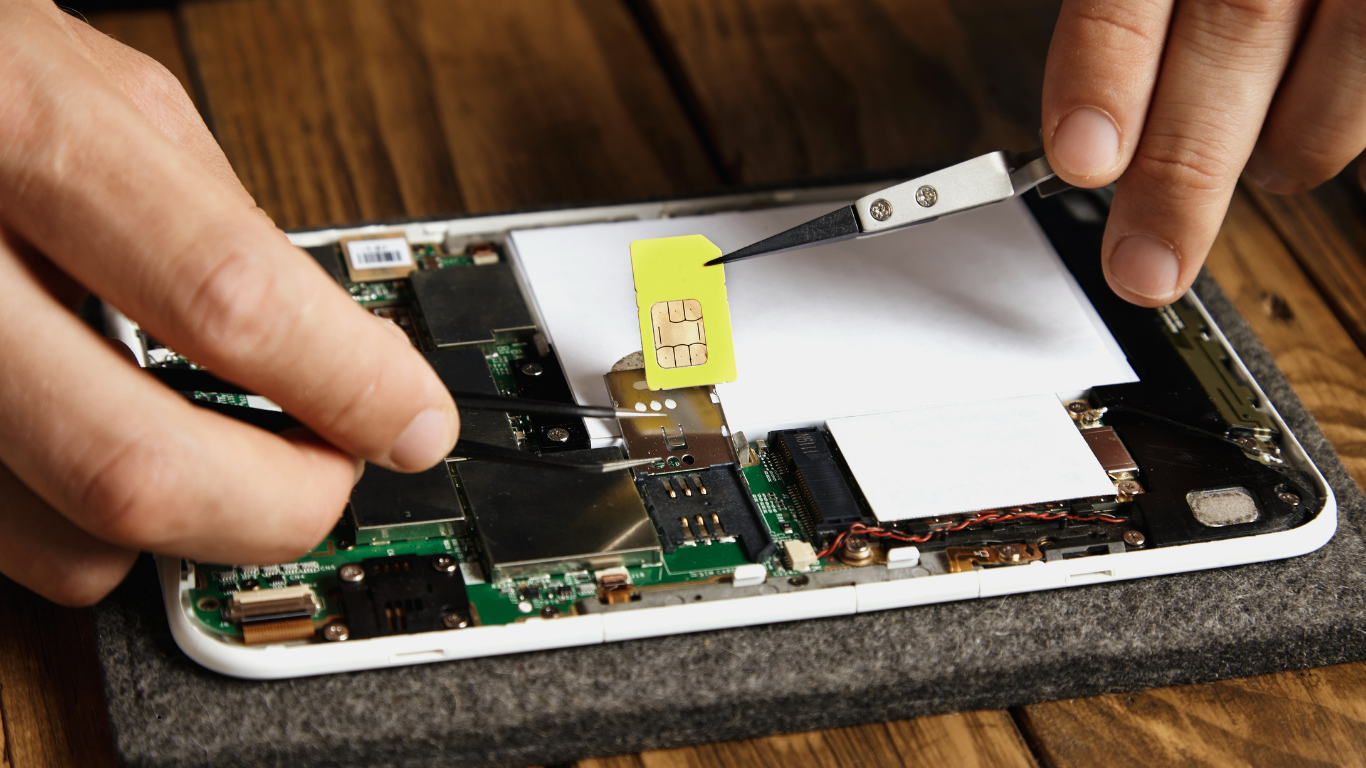
Many phones undergo replacement when Charging repair would have been enough. This leads to:
Higher Costs
Replacement parts and labor cost more than micro-level repair.
Increased Risk
Replacing a soldered port always carries a small risk to motherboard pathways.
Longer Downtime
Replacement takes more time compared to Charging repair.
Preserving original components is almost always the safer route when possible.
Risks of Avoiding Replacement When It’s Needed
On the other hand, delaying replacement when it’s truly required can cause:
-
Battery damage
-
Power IC failure
-
Complete charging shutdown
-
Repeated charging failures
This is why accurate diagnosis is critical.
DIY Repairs: Why They Complicate Both Options
DIY attempts often blur the line between repair and replacement—usually in the worst way.
Common DIY mistakes include:
-
Using pins or needles inside the port
-
Applying heat to “dry” corrosion
-
Forcing cables repeatedly
-
Using glue or makeshift fixes
These actions often break charging pins, turning a simple Charging repair into a forced replacement.
How Long Each Option Takes
Charging Repair
-
Minor issues: 30–60 minutes
-
Micro-repairs: 1–2 hours
Charging Port Replacement
-
Disassembly and soldering: 2–4 hours
-
Complex models: Same day or longer
Time-sensitive users usually benefit from Charging repair when possible.
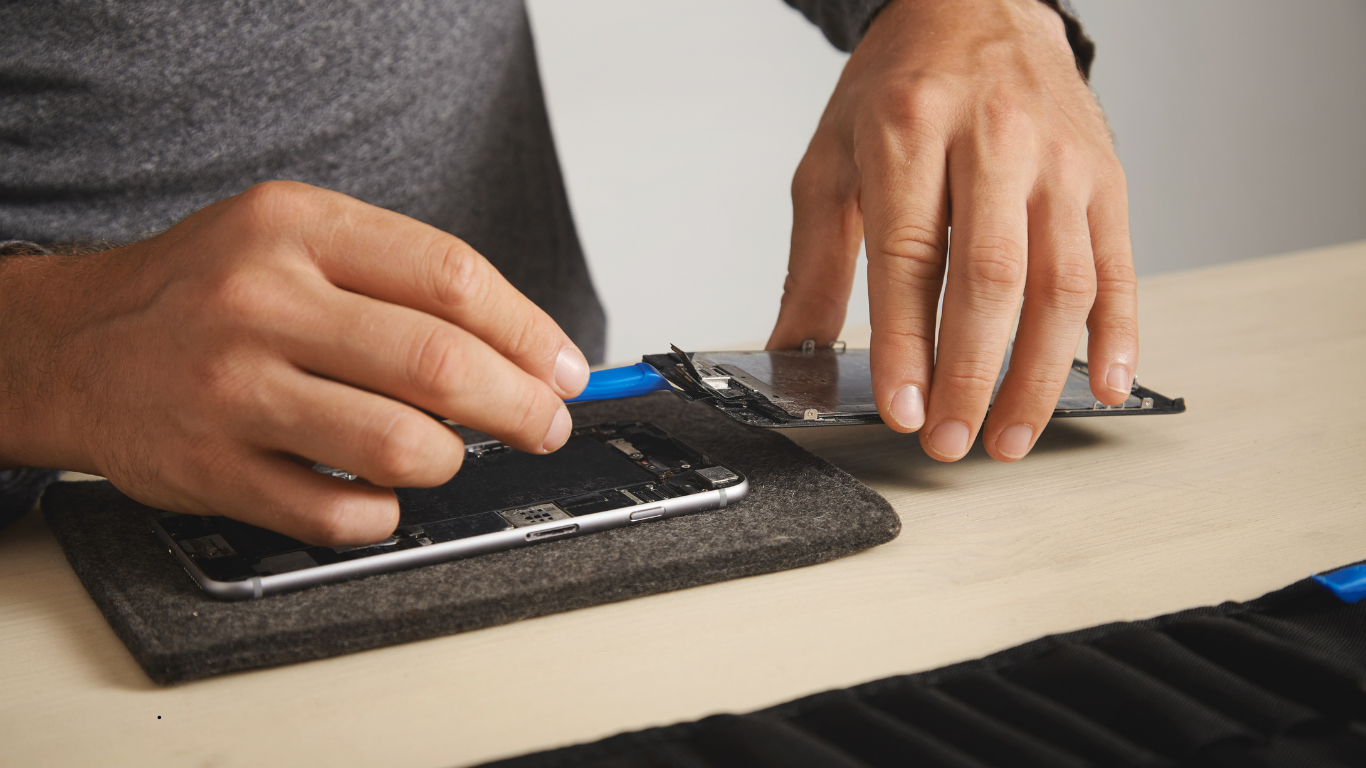
Cost Comparison: Repair vs Replacement
While costs vary by phone model:
-
Charging repair is typically significantly cheaper
-
Replacement includes part cost + labor
-
Avoiding unnecessary replacement saves money long-term
This is especially relevant for flagship phones where replacement parts are expensive.
How to Extend Charging Port Life After Repair or Replacement
Whether your phone underwent Charging repair or replacement, good habits matter:
-
Use certified chargers only
-
Avoid charging in damp or dusty environments
-
Don’t force the cable
-
Avoid charging while gaming or overheating
-
Clean the port gently during routine maintenance
Prevention reduces the need for repeat repairs.
Why Professional Assessment Matters Most
The biggest mistake users make is deciding the solution before diagnosis. Charging issues are not one-size-fits-all.
Professional technicians:
-
Identify the exact cause
-
Choose the least invasive solution
-
Preserve original components when possible
-
Prevent future charging failures
This approach protects both your phone and your budget.
Final Thoughts
Not every charging problem needs a full replacement. In fact, many phones that are immediately recommended for replacement can be fixed with precise Charging repair—saving time, money, and unnecessary risk.
The key is correct diagnosis. Charging port repair and replacement serve different purposes, and choosing the right one depends on the condition of your phone’s charging system—not assumptions.
If your phone is charging slowly, inconsistently, or only at certain angles, professional Charging repair should always be considered first. Replacement should be the last step, not the first.