

Your smartphone camera has become an extension of your daily life. From quick selfies and video calls to scanning documents, recording reels, or capturing memories, both the front and rear cameras play an important role. So when one—or both—stop working properly, it instantly affects how useful your phone feels.
Blurry selfies, a rear camera that won’t focus, or a black screen when you open the camera app are more than just annoyances. They’re signs that your phone needs professional Camera Repair.
The good news? Most front and rear camera issues are completely fixable. In this detailed guide, we’ll break down how these cameras work, why they fail, and how Camera Repair restores crystal-clear photos without replacing your phone.
Understanding Front vs Rear Phone Cameras
Although both cameras serve the same purpose—capturing images—they’re designed very differently.
Rear Camera: Built for Performance
The rear camera is usually:
-
Higher resolution
-
Equipped with optical image stabilization
-
Designed for detailed photography and video
Because it handles more complex tasks, it’s also more prone to damage.
Front Camera: Built for Convenience
The front camera is optimized for:
-
Selfies
-
Video calls
-
Face recognition
While simpler, it’s still vulnerable to moisture, dust, and connector issues.
This difference in design is why Front Camera Repair and Rear Camera Repair require different approaches.
Common Front Camera Problems
Blurry or Soft Selfies
If your selfies look consistently blurry—even in good lighting—it’s usually not a settings issue.
Common causes:
-
Scratched or dirty lens
-
Moisture inside the camera
-
Misaligned sensor
Professional Camera Repair can clean, realign, or replace the front camera module as needed.
Front Camera Not Working During Video Calls
If the camera fails during calls but works occasionally otherwise, the issue may be internal.
Possible reasons:
-
Loose internal connector
-
Software conflict
-
Partial camera module failure
This is a common problem that Camera Repair addresses quickly.
Face Recognition or Face ID Issues
Many phones rely on the front camera for facial recognition. When it fails:
-
Unlocking becomes unreliable
-
Security features stop working
Repairing the front camera often restores these features instantly.
Common Rear Camera Problems
Blurry or Out-of-Focus Photos
Rear camera blur is one of the most frequent reasons people seek Camera Repair.
Why it happens:
-
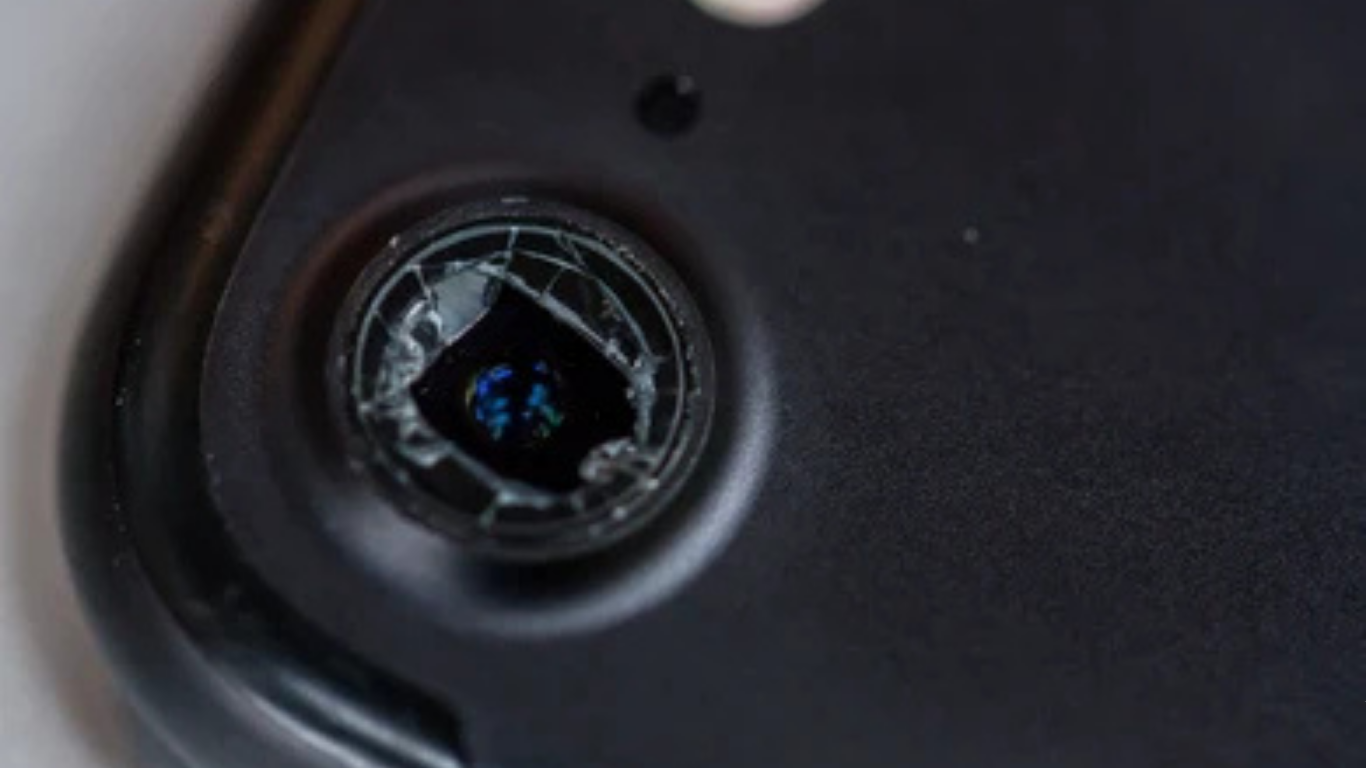
Cracked or scratched lens glass
-
Internal dust particles
-
Damage to autofocus components
Unlike front cameras, rear cameras rely heavily on precise alignment—something only professional repair can restore.
Shaky or Vibrating Camera
If your camera vibrates or makes clicking sounds when opened, it’s often a sign of failed image stabilization.
This issue:
-
Worsens over time
-
Can damage other camera components
Camera Repair replaces or repairs the stabilization system before the damage spreads.
Rear Camera Not Opening or Showing a Black Screen
When the camera app opens but shows nothing, the problem is usually hardware-related.
Common causes include:
-
Camera module failure
-
Damaged internal connectors
-
Motherboard communication issues
A full diagnostic ensures the correct repair—without unnecessary replacements.
What Causes Both Cameras to Fail?
Accidental Drops & Impact Damage
A single drop can damage both camera modules internally—even if the screen survives.
Moisture & Humidity Exposure
Living in coastal environments like Vancouver Island increases exposure to moisture. Over time, condensation inside the camera causes foggy images and corrosion.
Dust & Debris Ingress
Cracked lens glass or worn seals allow fine particles inside, permanently affecting image quality if not addressed.
Software Conflicts
System updates or corrupted apps can disable one or both cameras, making professional diagnostics essential.
Front & Rear Camera Repair: What Can Actually Be Fixed?
One of the biggest myths is that camera problems mean full phone replacement. In reality, most issues are repairable.
Repairable Issues Include:
-
Lens glass replacement
-
Camera module replacement
-
Connector repair or reseating
-
Internal cleaning and recalibration
Camera Repair focuses on fixing only the damaged component, keeping costs lower.
The Professional Camera Repair Process Explained
Step 1: Complete Camera Diagnostics
Technicians test:
-
Front and rear cameras independently
-
Focus accuracy and sharpness
-
Flash synchronization
-
Software and hardware communication
This ensures the real issue is identified.
Step 2: Precision Repair
Based on the diagnosis:
-
Lens glass is replaced if cracked
-
Camera module is replaced if damaged
-
Connectors are repaired or reseated
Each step is done with specialized tools to avoid further damage.
Step 3: Camera Calibration
After repair, cameras are recalibrated for:
-
Accurate focus
-
Natural color balance
-
Smooth image stabilization
This step ensures your photos don’t just work—they look right.
Step 4: Quality Testing
Photos and videos are tested in multiple lighting conditions to confirm consistent performance.
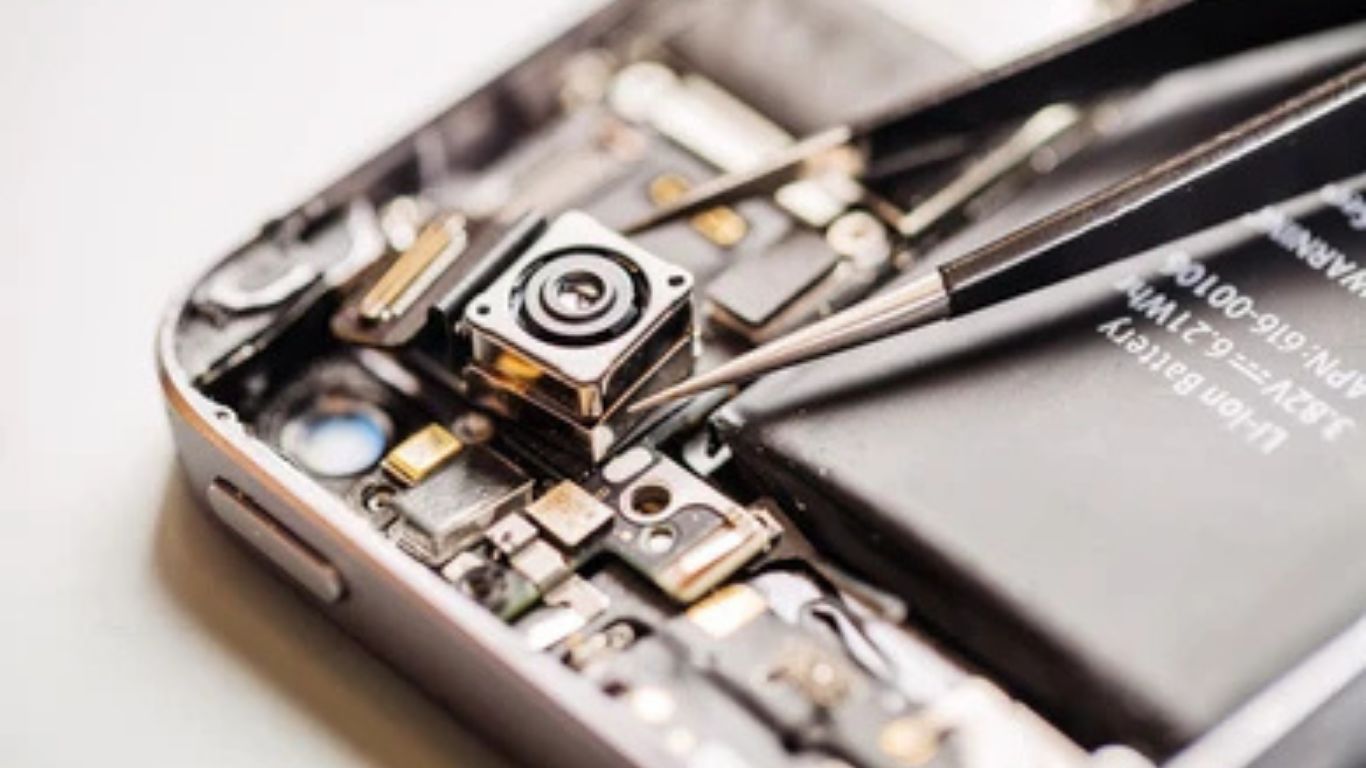
DIY Fixes vs Professional Camera Repair
What You Can Safely Try
-
Restarting the phone
-
Updating the operating system
-
Cleaning the outer lens with a microfiber cloth
What You Should Avoid
-
Opening the phone yourself
-
Using compressed air inside the lens
-
Applying liquid cleaners
DIY attempts often cause more damage. Professional Camera Repair protects your phone and your data.
Can Both Cameras Be Repaired at the Same Time?
Yes—and it’s often recommended.
Benefits of Repairing Both Together:
-
Saves time
-
Reduces overall repair cost
-
Prevents future failures
If both cameras show issues, a combined Camera Repair ensures long-term reliability.
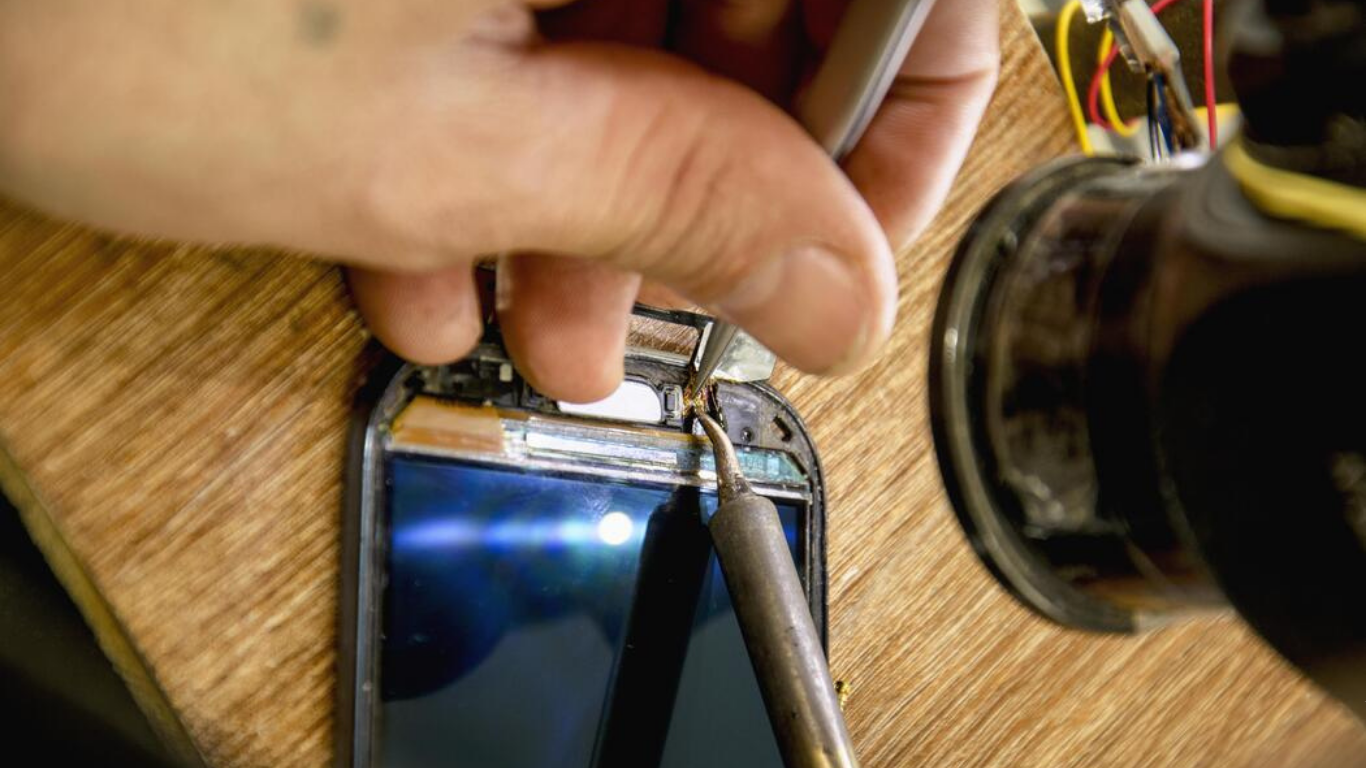
How Long Does Front & Rear Camera Repair Take?
Most Camera repairs are faster than expected.
-
Lens replacement: Same day
-
Camera module replacement: 1–2 hours
-
Complex diagnostics: A few hours
In most cases, you’ll have your phone back the same day.
Cost of Camera Repair vs Phone Replacement
Replacing a smartphone can cost hundreds—or more. Camera Repair:
-
Is significantly more affordable
-
Preserves your data and settings
-
Extends your phone’s lifespan
For most users, repair makes far more sense.
Why Choose Local Camera Repair?
Local Camera Repair offers:
-
Faster turnaround
-
No shipping risks
-
Knowledge of climate-related damage
Especially in regions with higher moisture exposure, local expertise matters.
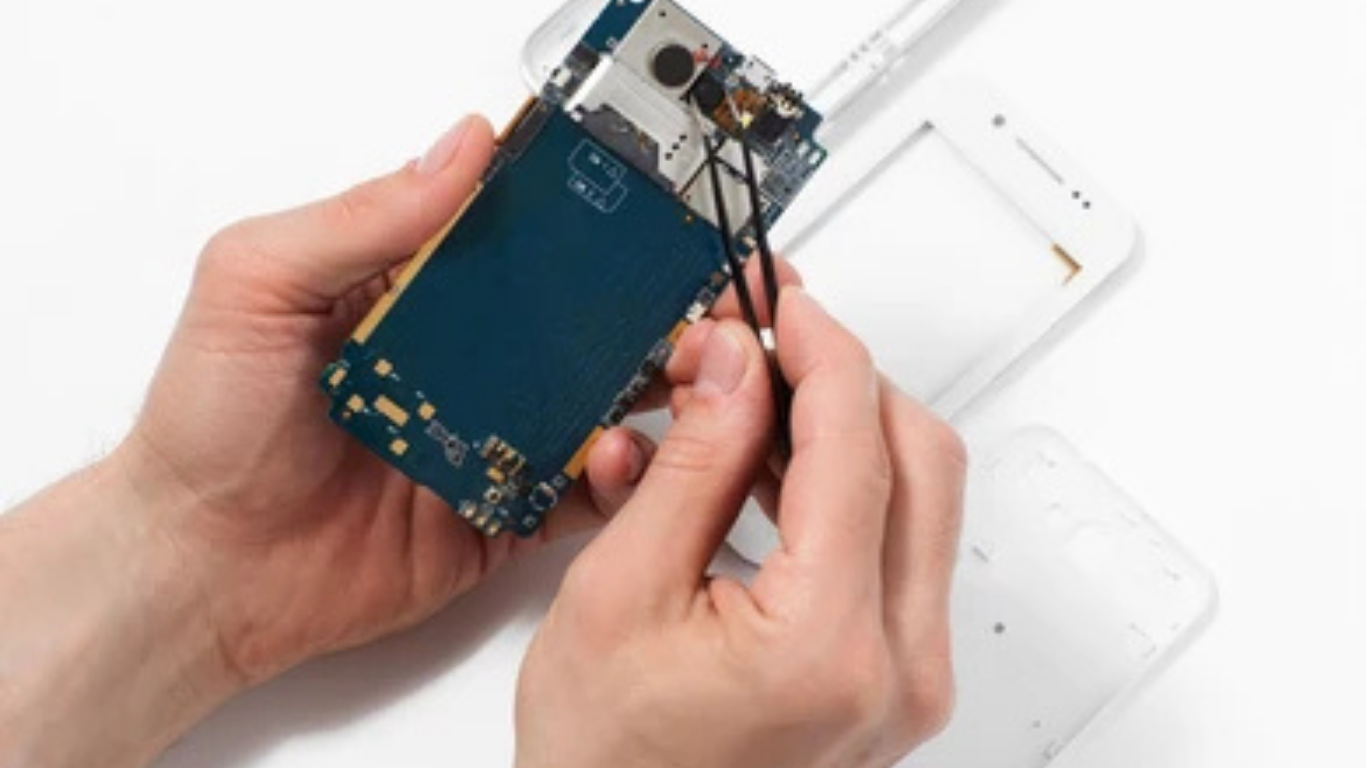
How Camera Repair Restores Phone Value
A fully functioning camera:
-
Improves resale value
-
Enhances daily usability
-
Makes your phone feel new again
It’s one of the highest-impact repairs you can make.
Warning Signs You Shouldn’t Ignore
Don’t wait if you notice:
-
Blurry photos that don’t improve
-
Camera vibration or noise
-
Moisture under the lens
-
One camera working while the other doesn’t
Early Camera Repair prevents more expensive damage later.
Final Thoughts
A faulty front or rear camera doesn’t mean the end of your smartphone. Most issues—whether blur, cracks, or complete camera failure—can be resolved with professional Camera Repair.
Instead of living with poor photo quality or rushing to buy a new phone, choose Camera Repair to restore clarity, performance, and confidence in your device.
With expert care, your front and rear cameras can capture life exactly as they’re meant to—sharp, clear, and reliable.
Frequently Asked Questions
1. What is the difference between front camera repair and rear camera repair?
Front and rear cameras are separate components with different designs and functions. Front cameras are mainly used for selfies and video calls, while rear cameras handle high-resolution photos and videos. Camera Repair is done based on which camera is faulty, ensuring only the affected part is repaired or replaced.
2. Why is my rear camera blurry but my front camera works fine?
This is a common issue. Rear cameras are more exposed to drops, scratches, and dust, making them more prone to damage. Blurriness is often caused by a cracked lens, internal dust, or focus mechanism failure, all of which can be fixed with professional Camera Repair.
3. Can a blurry selfie camera be repaired?
Yes. Blurry selfies are usually caused by lens scratches, moisture, or internal alignment issues. Front camera Camera Repair can restore clarity without replacing the entire phone.
4. What causes both front and rear cameras to stop working at the same time?
This usually happens due to severe impact damage, internal connector failure, moisture exposure, or software conflicts. A full Camera Repair diagnostic helps identify whether the issue is with the camera modules or the phone’s internal connections.
5. How long does front and rear Camera Repair take?
Most front or rear camera repairs are completed within 1–2 hours. In many cases, both cameras can be repaired on the same day, depending on the phone model and severity of damage.
6. Is it possible to repair both cameras at the same time?
Yes. If both cameras are affected, repairing them together is often more time-efficient and cost-effective. Combined Camera Repair also helps prevent future camera-related issues.
7. Does climate or humidity affect phone cameras?
Yes. In coastal regions like Vancouver Island, moisture and humidity can cause condensation inside camera lenses over time. Early Camera Repair prevents corrosion and long-term camera damage.